The Institute was founded on August 31st in 1969 by Professor Thorkil Kristensen
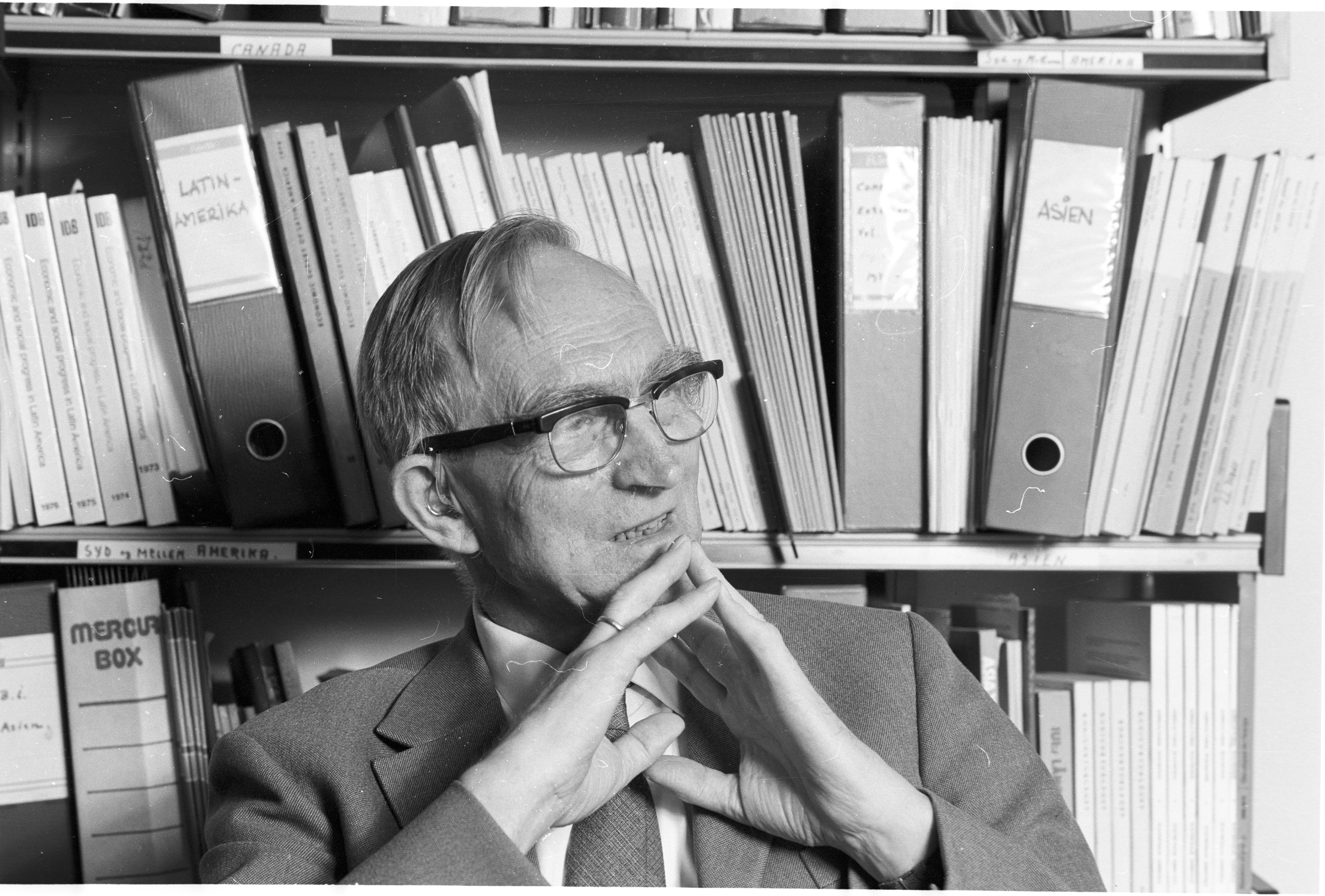
The Institute has its roots in the intellectual currents of the late 1960s, when growing awareness of rapid social, technological, and environmental change prompted serious efforts to study the future as a discipline. It was founded on August 31st in 1969 by Professor Thorkil Kristensen, a member of the Club of Rome who had previously served as Danish Minister of Finance and later as OECD Secretary-General.
The organisation was established in collaboration with a number of Danish organisations that had a desire to qualify their decision-making basis through futures studies. From the outset, it was structured as an independent, self-governing body, and all of the Institute's profits have been allocated to further futures studies and to realising its purpose, ensuring it remained free from political and commercial influence.
In its early years, the Institute focused on economic forecasting before more interdisciplinary and sociological currents gained strength within the organisation. From the late 1970s, it began working with scenario analysis and other speculative methodologies under the broader umbrella of strategic foresight.
Thorkil Kristensen served as CEO from 1969 to 1988, after which Rolf Jensen took over until 2000. During this period, the Institute published the book The Dream Society, which became an international bestseller translated into several languages. From 2000 to 2013, the international outlook was expanded under the leadership of first Johan Peter Paludan and later Axel Olesen, and an especially Nordic focus characterised the circle of members and projects.
Since 2018, Daria "Dasha" Krivonos has served as CEO and the Institute has achieved a global presence within Foresight


.avif)