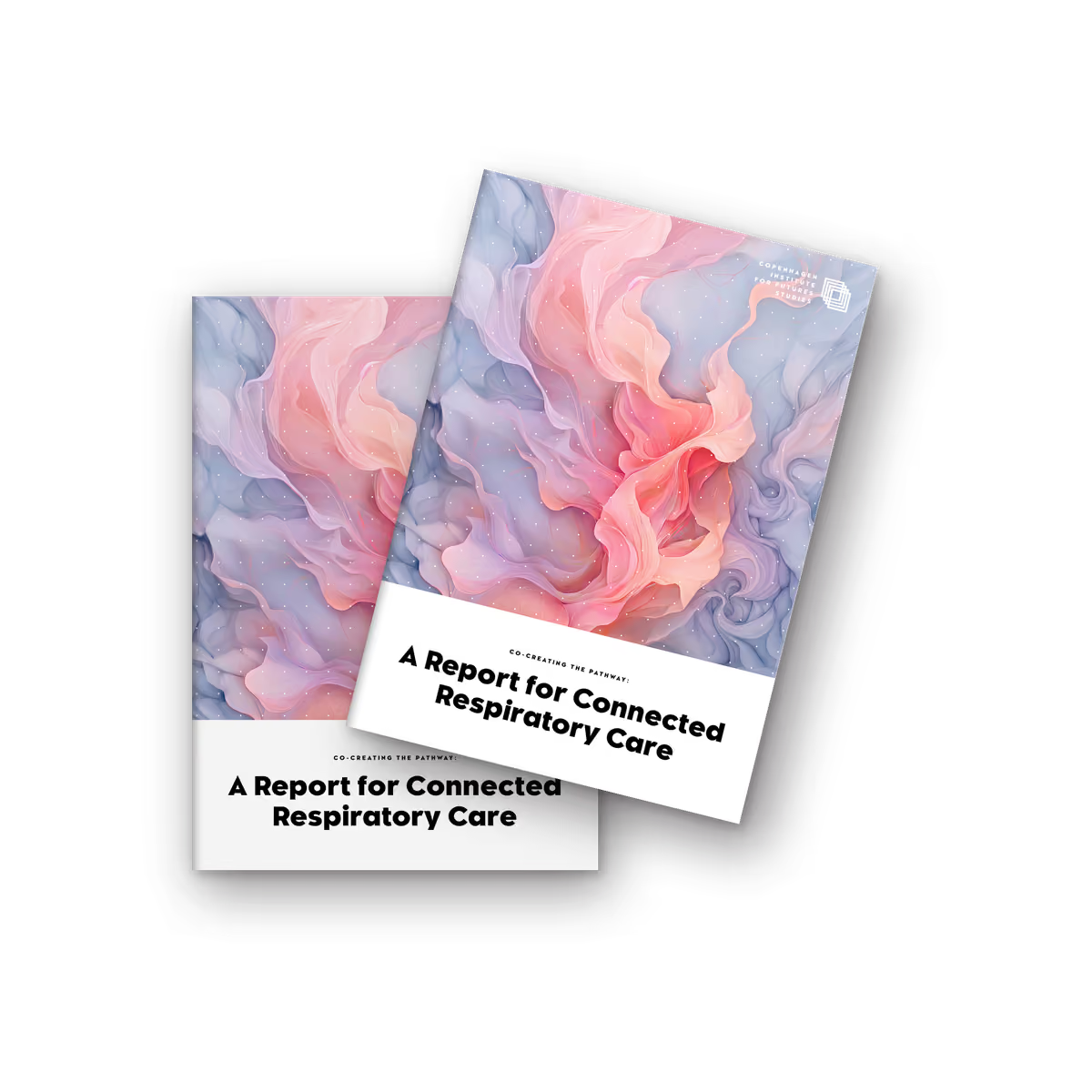
This report brings together ayear of research across ten countries and the experience of experts from 15countries, gathered at a workshop in Madrid. It shows how countries made thecase for RSV prevention, turned recommendations into working programmes, builttrust with parents and professionals, and decided what success looks like.
Each brief covers the national programme as of September 2026 and was reviewed by national experts. Page one is a country profile: how the programme started, who funds it, four headline figures on uptake, burden and impact, and the 12 indicators with their evidence. Page two is an operational view: who is offered which protection and when, a 12-month view of the season, and lessons for other countries. Read each brief online or download it as a PDF.
Two pathways, parental choice, 66% fewer hospitalisations in infants under six months
First universal programme in the Southern Hemisphere, 77.5% fewer hospitalisations
One of Europe's earliest programmes, 450,000+ infants protected in 2024–25
Universal entitlement through a federal ordinance, 55% fewer infant hospitalisations
A pilot with evaluation built in from day one, 88% uptake at birth
National framework, regional delivery, €115m from the National Health Fund
Protection within 14 days of birth, at home or at a youth health clinic
Coverage rising from 86% to 91% in two seasons
97.6% of in-season newborns protected, 90.1% catch-up
Two pathways, 65.1% of eligible infants protected, and the access barriers behind the gap
Our AI assistant lets you explore the evidence behind the country briefs in more detail. Ask specific questions about national policies and how programmes are run, such as who is eligible, who pays, or where protection is given. For each country, it answers only from that country's own policy and implementation documents, in English or the national language.
Open the chatbotAccess is currently limited. If you would like access, please contact Aron Szpisjak at as@cifs.dk