Why This Study Matters
The Delphi study highlights key global challenges in prevention, diagnosis, and management of COPD offering actionable solutions to address these gaps.
The overarching goal with this study is to collect the knowledge that would aid in avoiding the unnecessary burden of COPD and achieving better and more equitable health outcomes for COPD patients.
About The Study
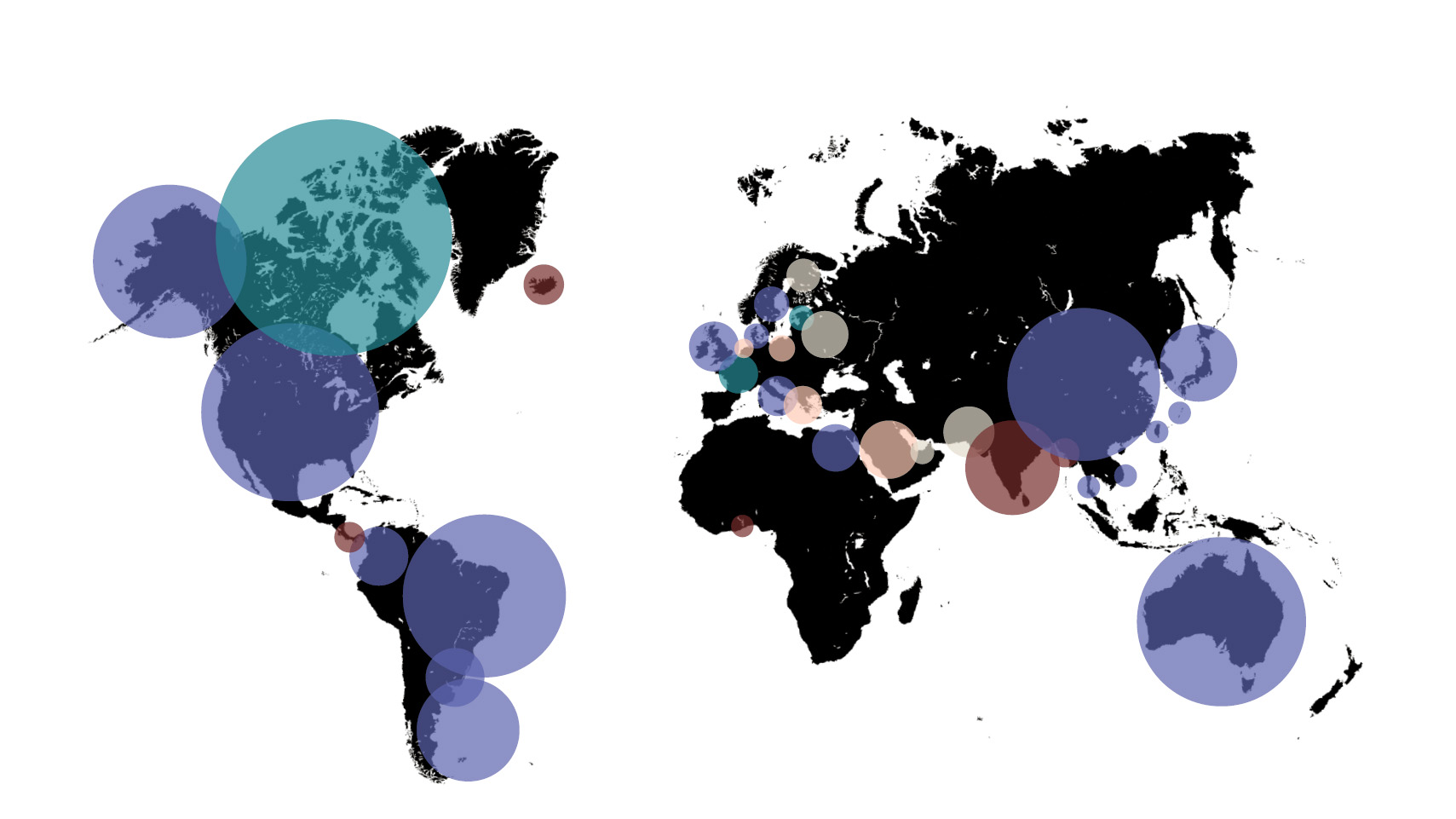
The Copenhagen Institute for Futures Studies (CIFS), supported by an independent, expert steering committee, conducted a Delphi study, with the participation of experts from 39 countries, to collect insights on COPD care and expectations on how the future of COPD care will look like. The response period ran from May to August 2024 resulting in 95 responses.
Calls to Action
- Invest in COPD nurse-led clinics globally, especially in underserved regions, to enhance early intervention and long-term management of COPD.
- Intensify public awareness campaigns and educational programs to increase COPD recognition, improve prevention efforts, and support patient empowerment.
- Intensify smoking cessation programs and environmental regulations with good implementation, particularly in regions with highest burden, to reduce COPD incidence.
- Equip primary care centres with spirometry tools and provide training for healthcare professionals to improve early diagnosis and management of COPD.
- Develop integrated care pathways to improve coordination between primary, secondary, and tertiary care, facilitating smoother patient transitions and reducing treatment delays.
- Create national databases for standardised COPD patient data collection, ensuring all healthcare providers can access and share information to improve care coordination and policy development.
- Develop screening programs for lung function, either as standalone targeted procedure, or integrated into broader chronic disease screening initiatives, to detect COPD early and prevent disease progression.
- Implement outcome-based reimbursement models that prioritise quality COPD care, encouraging healthcare providers to focus on long-term patient outcomes and reducing overall healthcare costs.
- Expand digital and telehealth solutions, with an emphasis on user-friendly designs and accessibility, to improve healthcare equity in regions with limited physical healthcare infrastructure.
- Prioritise the availability of affordable pharmacological treatments for COPD worldwide, addressing both supply chain issues and barriers for patients.